Château Unang Harvest/Season Report 2025:
Wet, Hot, Wet – and then fine… (against last year’s Wet, Wet, Wet).
That was not a straightforward harvest, or year – but it feels increasingly like a ‘normal season’ no longer exists, and that farmers everywhere are facing growing seasons regularly punctuated by extreme weather events, rather than ‘steady as she goes’.
Late winter and into spring was wet. 300mm of rain came in the first four months of the year, and we were all delighted. Rainfall during the winter is to be banked, and enjoyed – as you never know when it is going to stop. It didn’t. The rain carried on into early June and everyone was worried about rising disease/mildew pressure.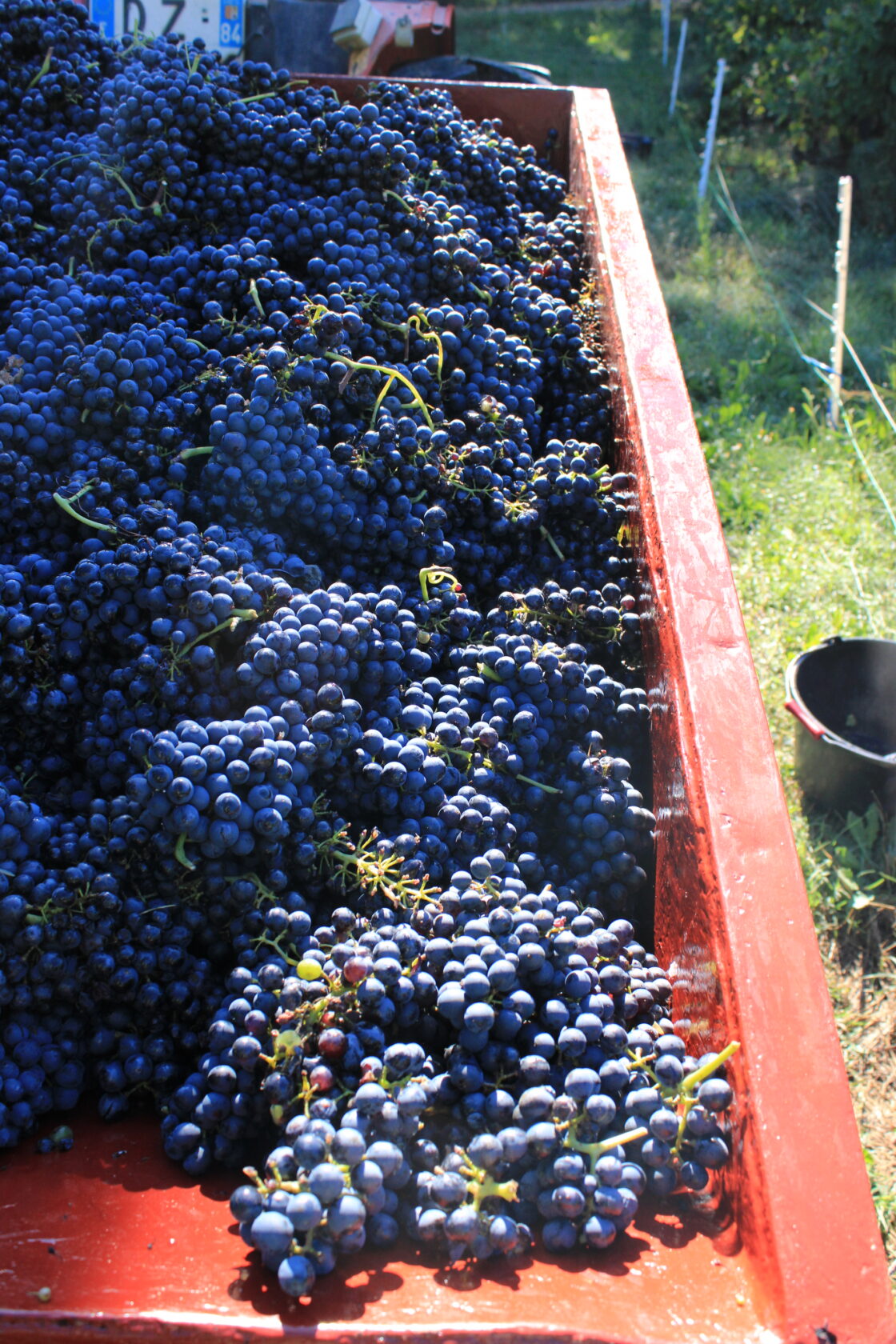
Then, in the first week of June, summer arrived. Bang! Full-blown summer with a proper heatwave with temperatures in the high 30s.
The vines had been so well watered that there was no real worry of stress with this first heatwave. And in many places the fruit set had gone well (Grenache was the exception, a lot of shatter) and a bountiful harvest was hoped for…
The heatwave gave way to a cooler July with plenty of northern Mistral wind. This actually makes for very comfortable living conditions for northerners, but frustrates the locals/tourists.
But the high 30s were back mid-August a brutal 9-day hot patch that did apply stress to the vines, many of which shut down/pressed pause, rather than ripened. Then rain broke that spell towards the end of August – and continued for four weeks, on and off, with multiple storms until 20 September. We clocked a whopping 240mm at Unang during those four weeks (including 123mm in one storm – a PB for us).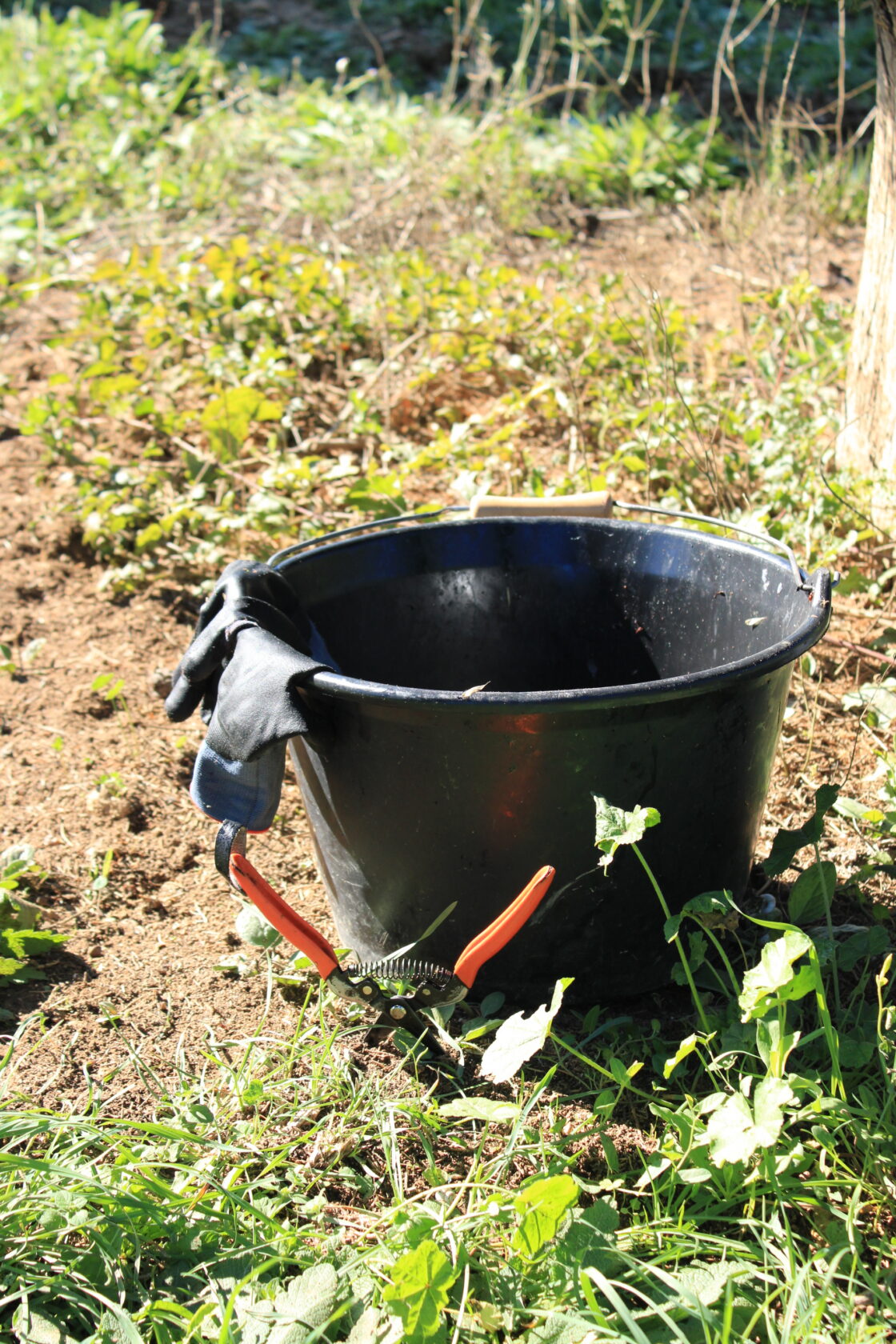
The first of those storms was very welcome. Nature needed it. The following weeks were also good for the vines (sugar levels dropped, acids and tannins ripened). But that amount just before harvest is not ideal, and not something I have seen before. There was a lot of concern over ripening issues, skins physically splitting and rot. But it seems as though the searing heat may have toughened the skins, particularly for the later varieties (Grenache & Mourvedre) that they could guide their way through.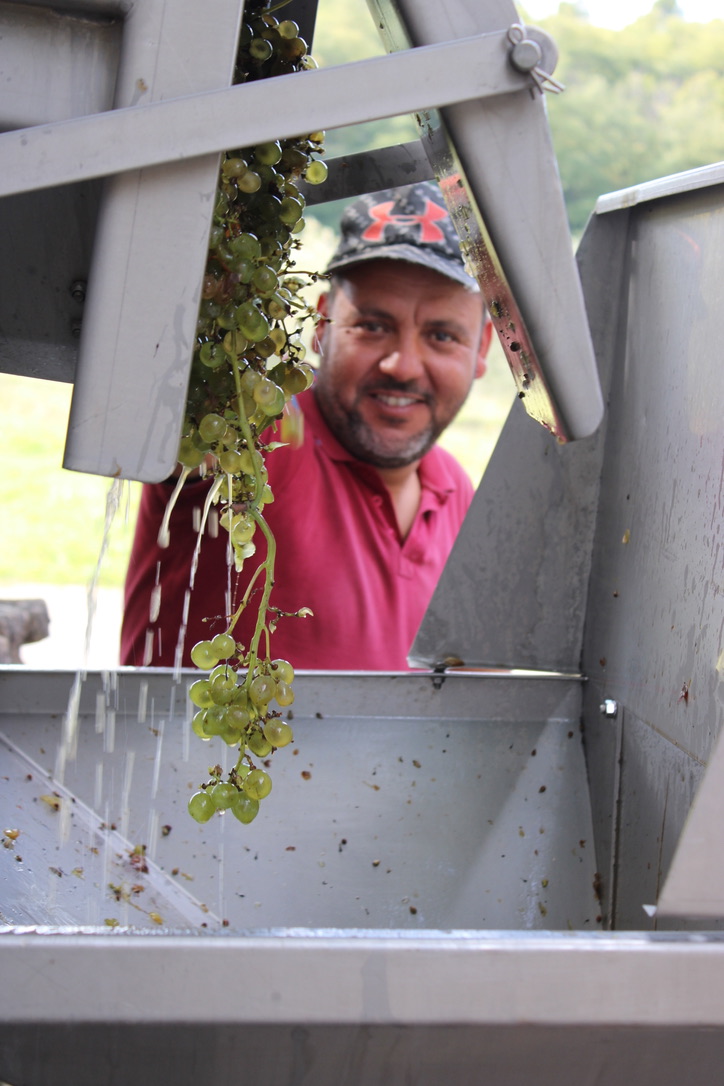
Then four weeks of dry weather saved us – this was also accompanied by the cooler nights of October, lows of 5° C with bright sunny days (highs of 25°) giving an impressive diurnal swing – which Ventoux is all about. With this the ripening process accelerated.
Our 15 days of picking were spread from the 5th of September (a few days of early Cinsault, Syrah, and Grenache for the rosé) until the 7th of October – the night of the impressive Harvest Full Moon – for the last of the Grenache and Mourvedre. This is about a week ahead of our typical harvest window but it wasn’t a year to push the maturities. And we were lucky enough to have our regular picking team on-hand to navigate through this tricky season, ably led by Clémence.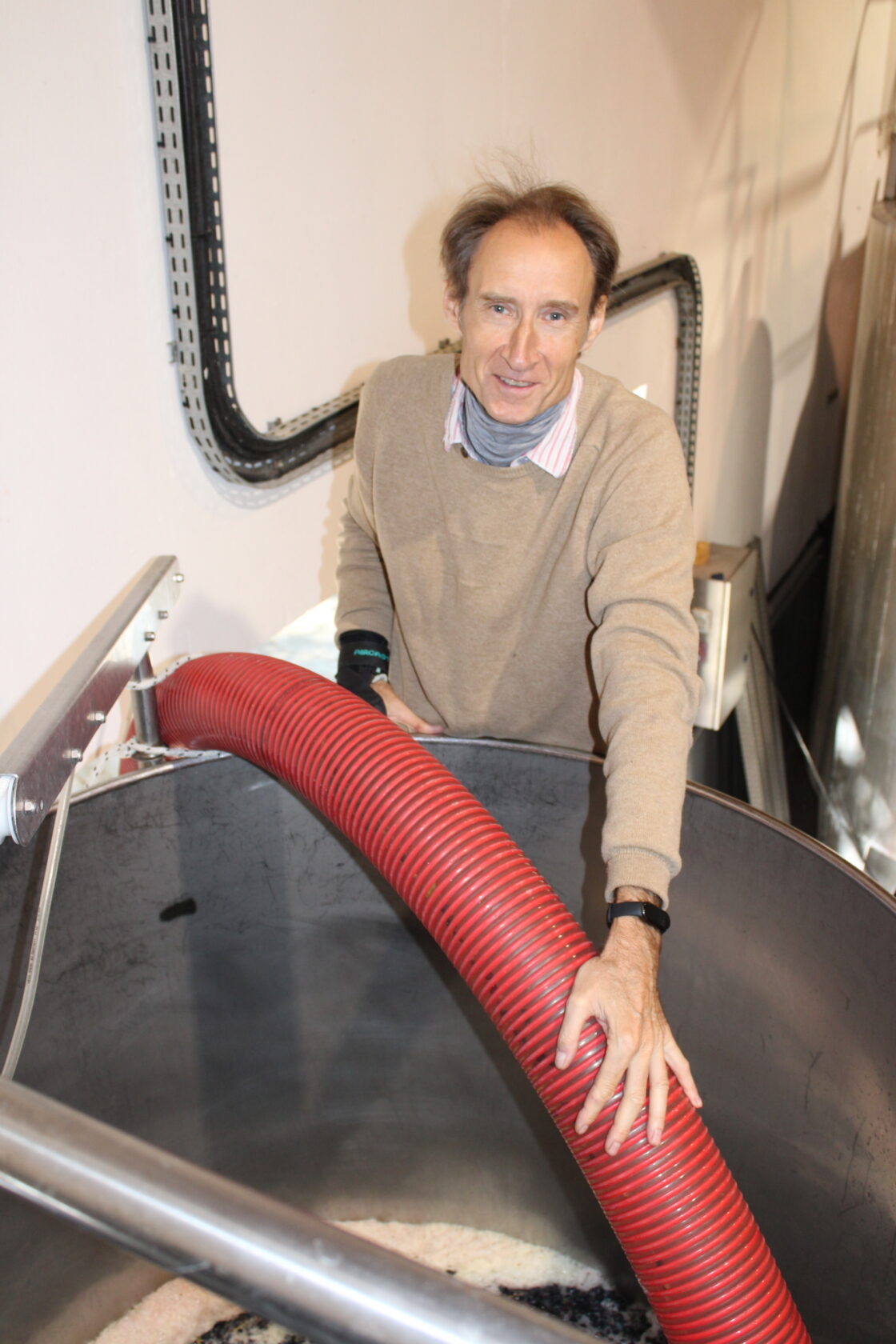
The whites (Clairette, Grenache Blanc, Viognier, Rolle) enjoyed the rain, giving good yields (apart from the Roussanne – we never break the 20hl/ha there). The yields on early reds (Syrah, Cinsault) were OK, the Grenache less so. But the result (we are through the alcoholic fermentations but awaiting the malo-lactic fermentations) seems surprisingly positive given all the hoo-haa of the past months. The wines are fresher – our signature acidity very much present – lower alcohol (whites 12-13°, reds 13-14.5°), with fine tannins and healthy fruit presence.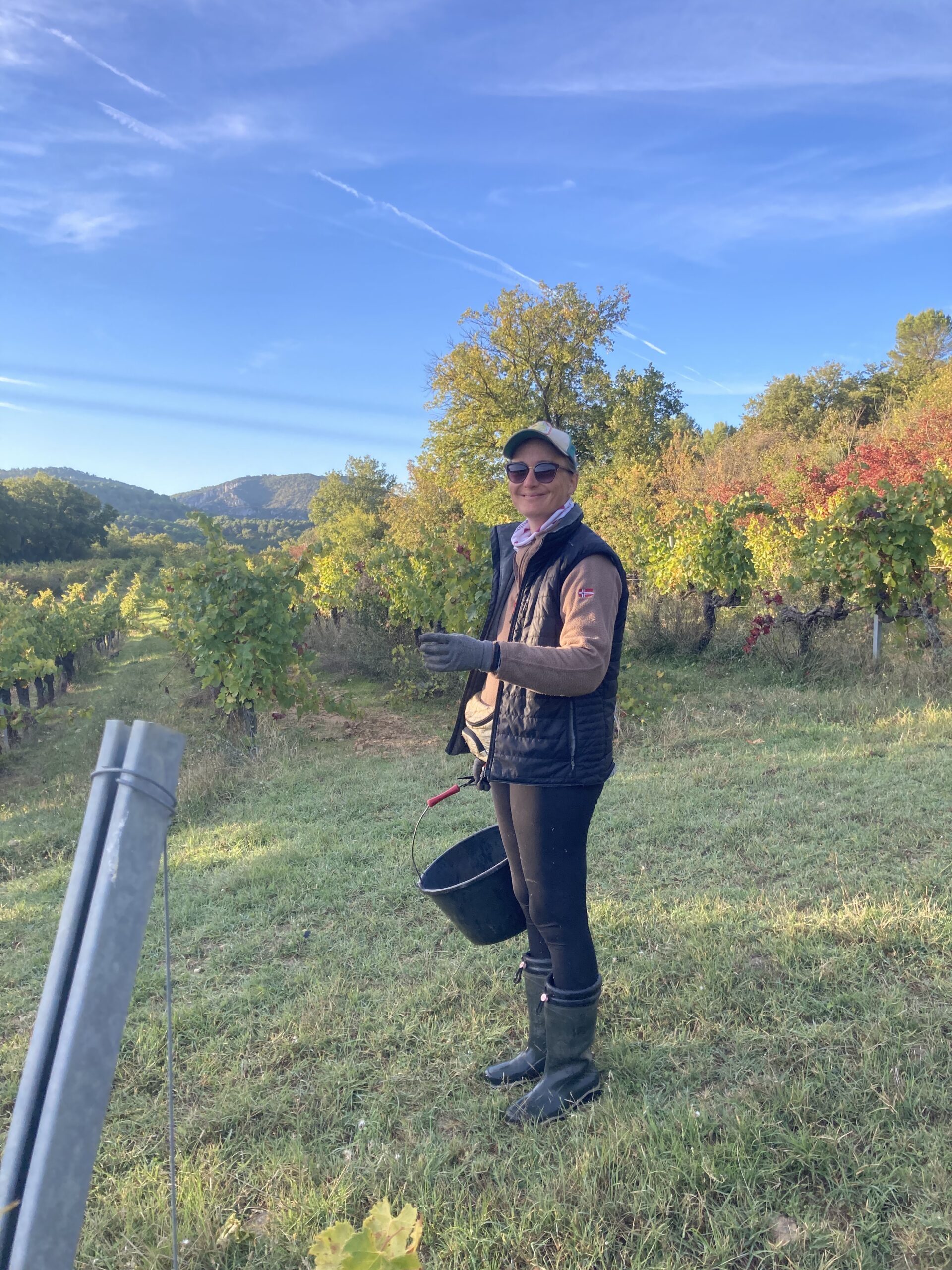
Following on from last year, in the cave we continued with our indigenous yeast fermentations – and that all seemed to go smoothly. The slower ferments allow more timely interventions in the cave, and they can bring other flavours beyond the pure fruit identity, bringing added complexity. We also pushed on with our whole-bunch fermentations/macerations (including the stems in with the red grapeskins) this is also bringing a spicyness and lighter feel to the not-yet-finished wines. We did not go beyond 50% stems as not all were ripe to enough to put in the tank. We’ll watch how these evolve over the coming year.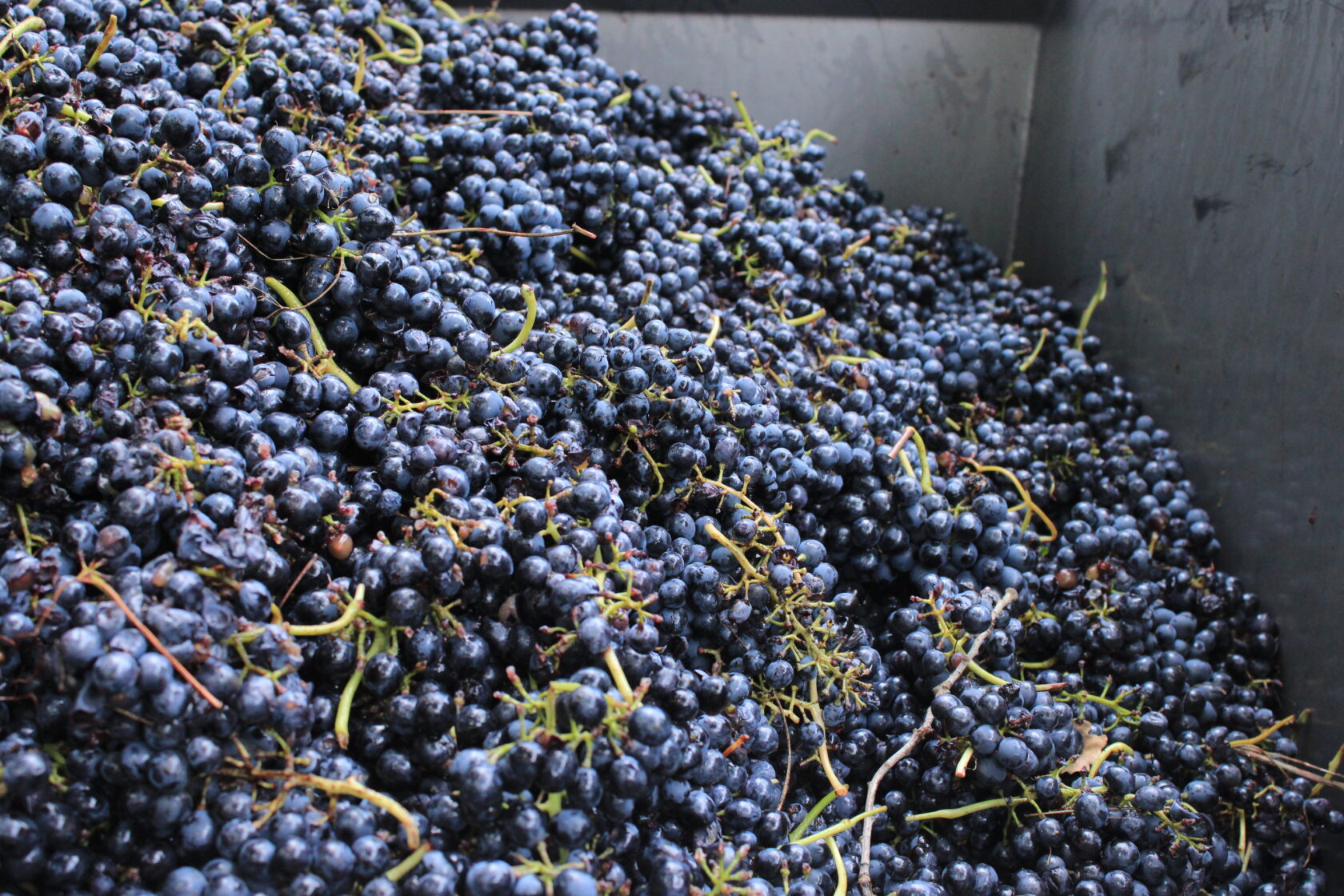
We did lose more grapes this year to wildlife than during any previous year – in one parcel (all are fenced) they left us about 15% of the grapes. Fingers are being pointed at the roe deer, which have been more present at Unang of late, as well as pigeons and jays. At least these elegant beasts gently nibble the fruit rather than the aggressive slashing motion of the wild boar that also damage the bunches they don’t eat. Still some sort of intervention is required…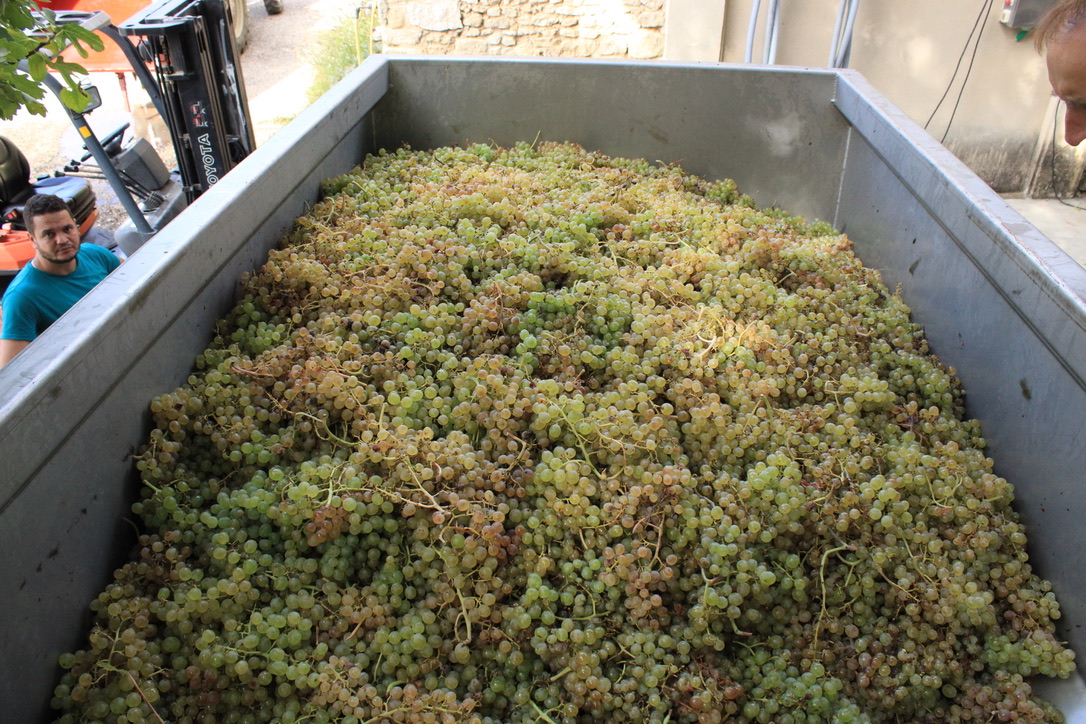
Joanna continues with the regenerative work in the vineyard. We have just sown a mixture of: field peas, vetch, beans, oats, barley and triticale throughout the vineyard. This mixed leguminous crop will be cut in May 2026 (to avoid competition for water in the summer), having returned nitrogen to the soil, increased the soil’s organic matter (improve its carbon uptake), and will leave a moisture-retaining, cooling mulch in situ. And this continues alongside our biodynamic treatments, both are about building vine/fruit resilience in a less predictable world.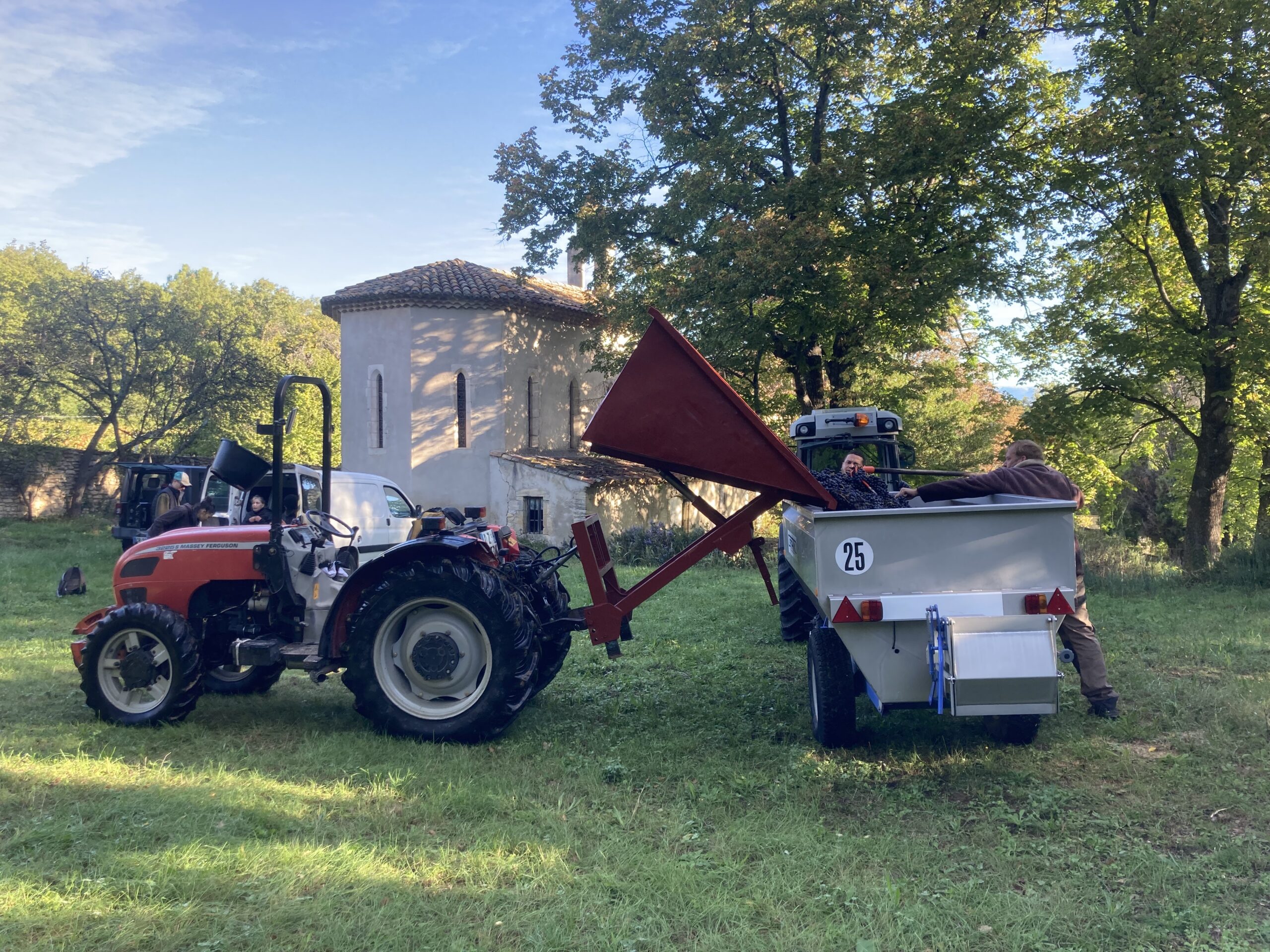
JK 21.10.25
Speak Your Mind